
Popular Tree Removal Products for Professional and DIY Projects
Discover essential equipment and accessories that ensure smooth and reliable tree removal operations for all skill levels.
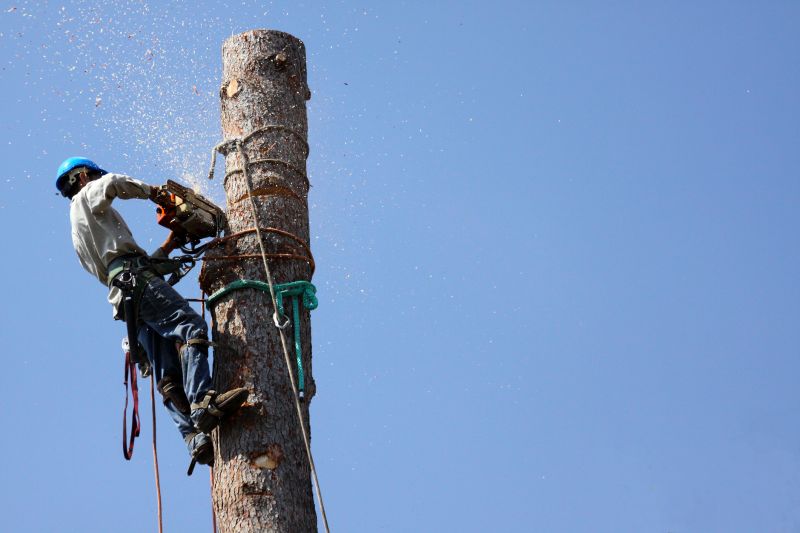 Tree removal is a task that often requires specialized equipment to ensure safety and efficiency. Whether dealing with dead or hazardous trees, or simply managing landscape aesthetics, selecting the right tools is essential. In Saint Cloud, FL, where lush landscapes and mature trees are common, having access to quality tree removal products can make a significant difference in completing projects safely and effectively.
Top Overall Option
Heavy-Duty Tree Pruning and Cutting Tool Set
A comprehensive set that includes a variety of hand tools such as pruning shears, loppers, and small saws designed for detailed work on smaller branches and trees. Its versatility makes it suitable for various tree removal tasks, providing users with reliable performance and control. The tools are constructed from durable materials for longevity and ease of use, making them a practical choice for homeowners and professionals alike.
Types of Products For Tree Removals
Chainsaws
Powerful handheld tools ideal for cutting through large branches and trunks efficiently.
Pole Saw
Extendable saws designed for reaching high branches safely from the ground.
Pruning Shears
Handheld tools for trimming small branches and pruning.
Loppers
Long-handled cutting tools suitable for larger branches just below the canopy.
Manual Hand Saws
Versatile saws for detailed cuts and smaller removal jobs.
Tree Climbing Gear
Harnesses, ropes, and spikes for safe climbing and removal of larger trees.
Aerial Lifts
Equipment for elevating workers to reach high branches safely.
Stump Grinders
Machines designed to grind down remaining tree stumps after removal.
Rope and Pulley Systems
Tools for controlled lowering of large branches or sections.
Safety Helmets and Gear
Protective equipment essential for safe operation during tree removal.
Debris Chippers
Machines that convert branches and wood debris into mulch or chips.
Tree Removal Winches
Power tools for pulling or stabilizing trees during removal.
Cutting Wedges
Tools used to direct the fall of a tree or large branches.
Chainsaw Chaps and Gloves
Protective clothing designed to reduce injury risk during cutting.
Tree Felling Levers
Tools to assist in safely guiding the fall of a tree.
Tree Removal Accessories
Additional tools such as straps, hooks, and stabilizers for specific removal tasks.
Popular Choices
Portable power tools that offer mobility for various tree cutting tasks.
Reach high branches safely with lightweight, extendable tools.
Compact saws suitable for quick trimming and detailed work.
Long-handled tools designed for cutting thicker branches with ease.
Essential safety gear for protecting against falling debris and branches.
Efficient machines for processing branch debris on-site.
Powerful tools for extracting stubborn or damaged trees.
Equipment for secure ascent during complex removals.
Equipment for elevated access to high branches safely.
Tools designed to facilitate complete stump removal after tree felling.
Complete sets for controlled lowering and removal of large limbs.
Versatile tools for trimming and shaping smaller trees and bushes.
Devices used to direct the fall of a tree during cutting.
Hand protection designed for handling sharp tools and branches.
Strong, durable ropes for securing or guiding large branches.
Compact winches for pulling or stabilizing trees during removal.
Heavy-duty bags for collecting and transporting cut branches.
A variety of tools are available to suit different needs and skill levels. From manual hand tools to powered equipment, each has its own advantages depending on the size of the tree, the location, and the complexity of the removal process. Proper safety gear and accessories are also crucial to prevent injuries and ensure a smooth operation.
Safety considerations should always be a priority. Using the correct equipment, following safety protocols, and understanding the limitations of each tool can help prevent accidents. For larger or more complex removals, professional-grade equipment and expertise might be necessary, but for smaller jobs, a well-chosen set of tools can often suffice.
Investing in reliable, durable products can lead to more efficient work and better results. It is important to evaluate the specific requirements of each project and select equipment that offers the right balance of power, control, and safety features. This approach ensures that tree removal tasks are completed effectively while minimizing risks and potential damage to surrounding property.
Key Buying Considerations
- Tree size and species: Choose equipment suitable for the specific size and type of tree.
- Safety features: Prioritize tools with safety guards, protective gear compatibility, and ergonomic designs.
- Power source: Decide between manual, battery-powered, or corded electric tools based on project scale and mobility needs.
- Ease of use: Consider user-friendly features such as lightweight design and simple operation.
- Durability and materials: Opt for tools made from high-quality materials for longevity and reliable performance.
- Reach and extension: Select tools with adequate reach for high branches without the need for climbing equipment.
- Storage and portability: Ensure tools are easy to store and transport, especially for on-the-go jobs.
- Maintenance requirements: Check if tools are easy to clean, sharpen, or repair over time.
- Budget: Balance cost with quality to get the best value for your specific needs.
- Environmental conditions: Consider weather resistance if working outdoors frequently.
- Compatibility with existing equipment: Ensure new tools can integrate with current gear and safety systems.
- Noise levels: Be mindful of noise restrictions or preferences, especially for residential areas.
- Skill level: Match tools to your experience to ensure safe and effective use.
- Project scope: Assess whether the equipment is suitable for small trimming jobs or large-scale removals.
- Legal and safety compliance: Verify that equipment meets local safety standards and regulations.